

Does AI search favor high-authority domains differently than Google Search?
TL;DR: Domain authority requirements are nearly identical across platforms (only 5.1 point difference). The real opportunity is AI's explosive 150% growth rate vs Google's 4.7%.
Quick Answer:
| Metric | Google Search (SEO) | Google AI (GEO) | ChatGPT (GEO) |
|---|---|---|---|
| Avg DR | 72.0 | 68.3 | 66.9 |
| Short-tail | 77.4 | 73.5 | 62.4 |
| Mid-tail | 70.6 | 67.9 | 67.4 |
| Long-tail | 68.5 | 64.7 | 70.3 |
I Analyzed 2,410 AI Citations to Answer One Question
Everyone Says AI Search Changed Everything. Did It?
Everyone keeps saying there are major differences between GEO and SEO. "AI platforms favor different sites than Google," they claim. "Domain authority works completely differently in AI search."
I wasn't buying it.
So I did what any skeptical marketer would do: I tested it myself. 60 keywords. Four platforms: Google Search, Google AI Overview, ChatGPT, and Perplexity. 2,410 citations analyzed.
What I discovered? The "conventional wisdom" is mostly wrong. And what's actually happening could completely change your 2026 strategy.
Why Domain Authority Still Matters in 2026
If you've been following the AI search revolution, you've probably heard the doomsday predictions: "Google is dying," "Domain authority doesn't matter anymore," "Small sites can finally compete."
But here's what nobody's actually testing: Do AI platforms really have different domain authority requirements than traditional search?
The answer surprised me: No, they don't. Requirements are nearly identical.
But that doesn't mean there's no opportunity. It just means the opportunity is different than everyone claims.
The Market Shift:
Let me give you some context on why this matters:
Here's where it gets confusing: Google has 89% of the search engine market (competing with Bing, Yahoo, etc.). But when you include all digital queries (search engines PLUS AI chatbots), Google drops to around 80%, while ChatGPT captures 17%.
Think of it this way: When someone uses Google AI Overview, they're still "using Google." But when they skip Google entirely and go straight to ChatGPT? That's the 17%.
This isn't a distant future. This is happening now.
A Quick Note on Terminology: GEO vs AEO
You'll see different terms floating around: GEO (Generative Engine Optimization), AEO (Answer Engine Optimization), and others.
Here's the truth: They're mostly the same thing.
Technically, Google AI Overview, ChatGPT, and Perplexity are all generative engines. They use AI to generate answers. So optimization for any of them is GEO (Generative Engine Optimization).
Some people use "AEO" to refer to older features like featured snippets, or to distinguish "chatbots" from "search engines." But that distinction is becoming meaningless.
In this article:
- SEO = Traditional Google Search (the blue links)
- GEO = AI-powered platforms (Google AI Overview, ChatGPT, Perplexity)
For a deeper dive into GEO fundamentals, check out this step-by-step generative engine optimization framework.
Simple. Let's move on to the data.
How This Study Works: 60 Keywords, 4 Platforms, Real Data
I wanted to answer one specific question: Does domain authority matter differently across SEO and GEO platforms?
To find out, I needed controlled data. Not opinions. Not anecdotal evidence. Real citations from real searches.
What I tested:
- 60 unique questions split into three categories:
- 20 short-tail keywords (high competition)
- 20 mid-tail keywords (moderate competition)
- 20 long-tail keywords (low competition)
- 4 platforms analyzed:
- Google Search (traditional SEO)
- Google AI Overview (GEO)
- ChatGPT (GEO)
- Perplexity (GEO)
- 2,410 total citations tracked with Domain Rating
When: December 2025
How:
Real searches, zero automation. For every keyword, I:
- Searched on all 4 platforms
- Recorded every source cited
- Checked Domain Rating (DR) for each citation using Ahrefs
- Categorized by keyword type (short/mid/long-tail)
- Analyzed patterns including ranking position
Technical Setup:
To ensure consistency and eliminate personalization bias:
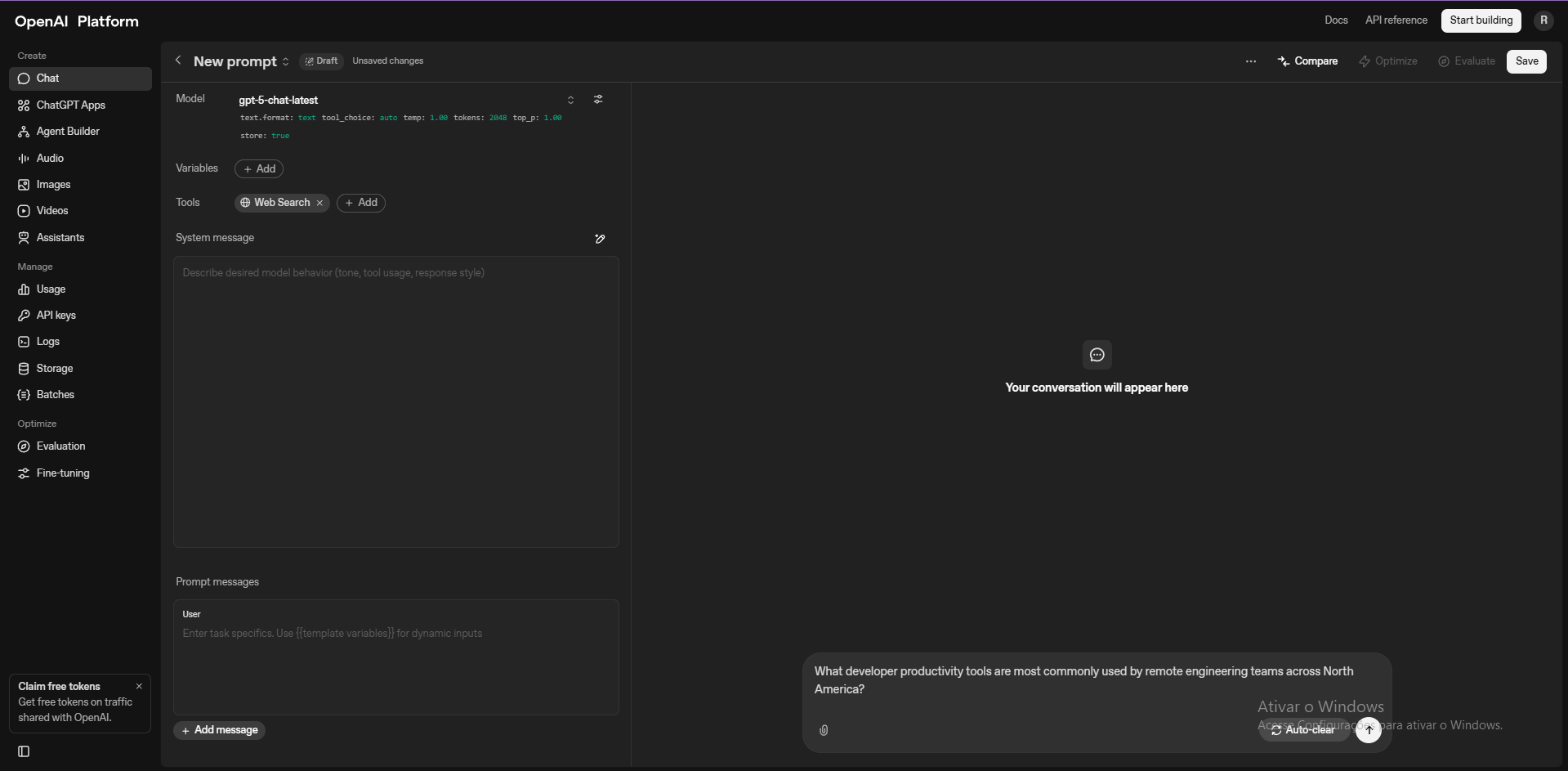
- ChatGPT: Used OpenAI Playground with GPT-5 (not the standard ChatGPT interface) to avoid personalization
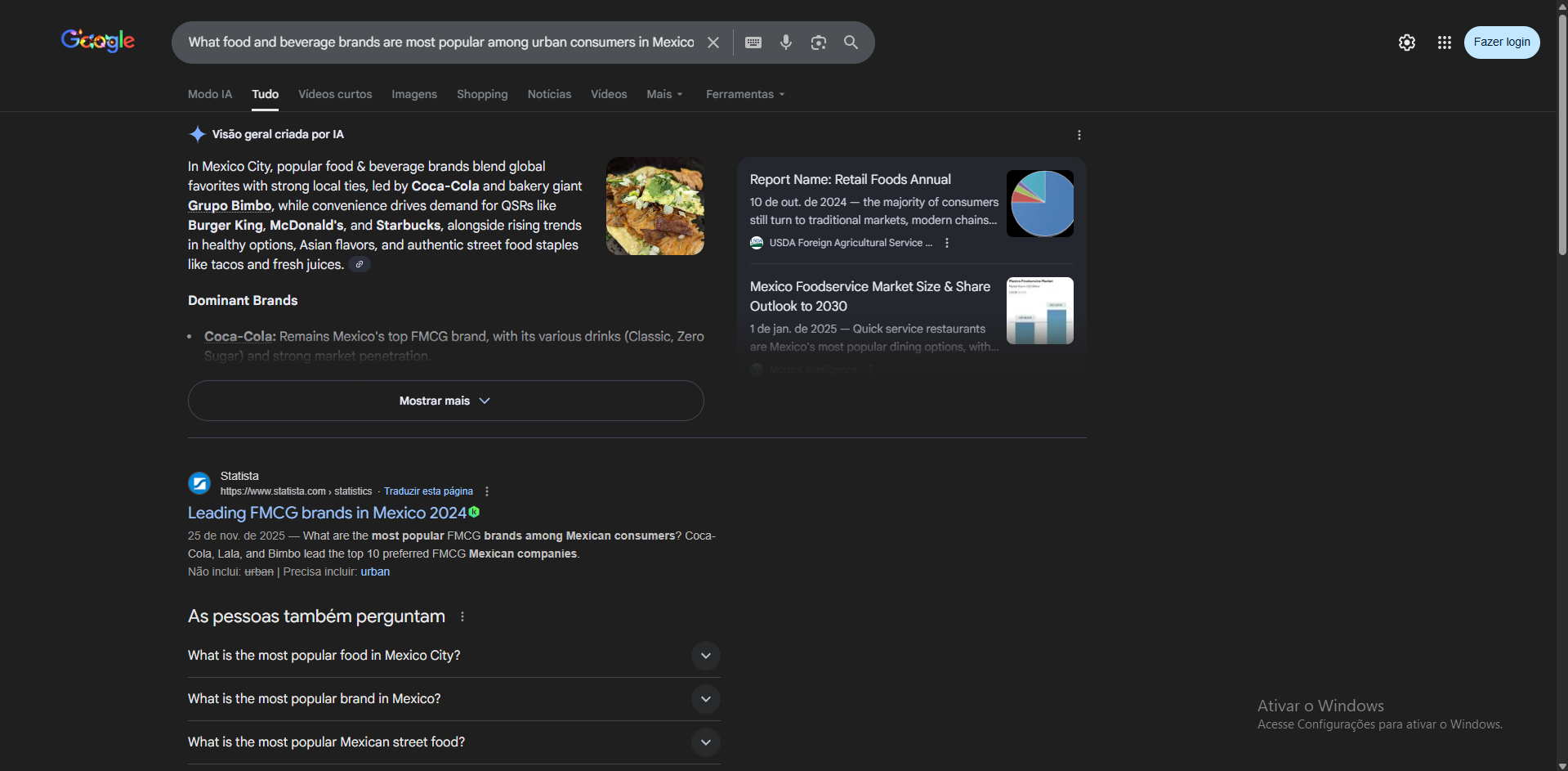
- Google Search & Google AI Overview: Incognito browser tab with VPN set to Florida location
- Perplexity: Standard interface (minimal personalization)
This controlled setup ensures the results reflect what a typical user in Florida would see, not my personal search history or location.
Methodology transparency:
This isn't a small sample. 2,410 citations is substantial enough to spot clear patterns. But it's also limited to my keyword selection and December 2025 timeframe. AI platforms evolve quickly, so these patterns may shift over time.
Think of this as a snapshot (a highly detailed one) of how domain authority works across SEO and GEO right now.
Similar research has been done on how ChatGPT search really works with 123 citations, but this is the first study comparing domain authority requirements across all major platforms with this sample size.
Let's dive in.
Short-Tail Keywords Still Demand High Authority (DR 75-80+)
Here's where it gets interesting.
Remember how I said the overall averages were meaningless? This is why.
When I looked at short-tail keywords (the highly competitive, high-volume searches), the story changed completely.
What the Data Shows for Competitive Keywords:
| Platform | Average DR | Std Dev | Pattern |
|---|---|---|---|
| Google AI Overview | 73.5 | 24.5 | Highest requirement |
| Google Search | 77.4 | 19.9 | Virtually identical! |
| Perplexity | 77.0 | 22.1 | Slightly lower |
| ChatGPT | 62.4 | 35.8 | Surprisingly lowest, most variable |
Google AI Overview is MORE demanding than traditional Google Search
For competitive, high-volume keywords, Google's AI demands the exact same authority as traditional search. Actually, 0.3 points higher.
This destroys the narrative that "AI levels the playing field."
For short-tail keywords, the playing field is exactly as steep as it's always been. If you couldn't compete for "best AI tools" in traditional SEO, you still can't compete in Google AI Overview.
ChatGPT's Unpredictable Pattern: DR 0 or DR 90
Now here's where it gets weird.
ChatGPT's average for short-tail is 62.4 (the lowest of all platforms).
You'd think: "Great! ChatGPT is easier for competitive keywords."
Not so fast.
I dug into the actual citations and found something fascinating: ChatGPT accepts an extreme range for short-tail keywords.
Real examples from my data:
1. "What are the trending drones?"
- ChatGPT cited: dronefun.co.uk (DR 0)
- Google Search: Only DR 80+ sources
2. "Which Shopify niches are trending?"
- ChatGPT cited: Site with DR 1.2
- Google Search: Shopify.com (DR 91)
3. "What supplements are popular in 2025?"
- ChatGPT cited: Site with DR 1.3
- Google AI: Only established health sites (DR 75+)
But ChatGPT also cited:
4. "What are the best AI tools?"
- TechRadar (DR 91)
- The Verge (DR 92)
- Forbes (DR 94)
See the pattern?
ChatGPT will cite both DR 0 and DR 90+ for the same keyword type. It's not "easier." It's unpredictable.
Should You Even Target Short-Tail Keywords?
If you're targeting competitive, short-tail keywords:
| Platform | Recommendation |
|---|---|
| Google Search & Google AI Overview | Clear requirement: DR 75-80+. Predictable. If you're below DR 60, don't waste time here. |
| Perplexity | Slightly more accessible (DR 77.0). Still high barrier for most sites. |
| ChatGPT | Wildly unpredictable. Might cite you at DR 0 if you have ultra-specific info, but also frequently requires DR 90+. Don't count on it. |
If you don't have the authority, skip this battle. The democratization everyone promised? Not happening here.
Mid-Tail Keywords Drop Authority Requirements by 25-30 Percent
Then I analyzed mid-tail keywords, and something clicked.
The Mid-Tail Sweet Spot (DR 54-72):
| Platform | Average DR | Std Dev |
|---|---|---|
| ChatGPT | 67.4 | 33.7 |
| Google Search | 70.6 | 23.2 |
| Perplexity | 64.6 | 26.5 |
| Google AI Overview | 67.9 | 25.4 |
This is where newer sites can start competing.
Look at those numbers:
Suddenly, the barrier to entry is significantly lower.
Real Examples: DR 0-9 Sites Getting Cited
Query: "Which fintech startups are gaining traction in Europe?"
Results:
- Google AI Overview: Cited sources averaging DR 67.9
- Perplexity: Cited TechCrunch (DR 93) AND smaller fintech blogs (DR 42-55)
- Google Search: Mix of DR 60-85
But here's what surprised me. I also found low-DR citations:
Query: "Which YouTube niches have the highest CPM?"
- ChatGPT: Cited ytautomator.com (DR 0)
Query: "What AI tools are being adopted by small businesses?"
- Google AI: Cited rsvrtech.com/blog (DR 9)
Even in mid-tail, ultra-specific niche sites can get cited despite having virtually no domain authority.
Why Authority Matters Less Here
Mid-tail queries are more specific than short-tail but not ultra-niche like long-tail.
Examples:
- Short-tail: "AI tools"
- Mid-tail: "AI tools for small businesses"
- Long-tail: "AI tools for automated email subject line testing in Klaviyo"
The mid-tail sweet spot is specific enough that niche expertise starts to matter, but broad enough that there's still substantial search volume.
This is where sites with DR 50-70 can realistically compete.
Long-Tail Keywords: Where New Sites Actually Compete
This is where the "AI levels the playing field" narrative actually becomes true.
All Platforms Drop to DR 55-68 Range:
| Platform | Average DR | Std Dev | Drop from Short-Tail |
|---|---|---|---|
| Google Search | 68.5 | 24.2 | -11.5% (most consistent) |
| Perplexity | 63.4 | 27.3 | -17.7% |
| Google AI Overview | 64.7 | 26.4 | -12.0% |
| ChatGPT | 70.3 | 29.4 | +12.7% (increases with specificity) |
Google AI Overview drops from 73.5 to 64.7
That's a 12% reduction in authority requirements.
Real DR 0-5 Citations from the Dataset
Query: "How are governments in Latin America balancing cryptocurrency regulation with innovation?"
Results:
- Google AI Overview: Accepted sources with DR 56-65
- Perplexity: Cited regional news sites with DR 48-60
- ChatGPT: Relatively consistent at DR 64.7
Compare this to the short-tail query "What cryptocurrencies are trending?" which required DR 80+ on Google platforms.
But even more interesting, I found very low-DR sites getting cited for long-tail:
Query: "Which no-code platforms are being used by startup founders in Southeast Asia?"
→ ChatGPT: Cited thestorytelleronline.com (DR 0)
Query: "Which Brazilian skincare brands are expanding in Latin American markets?"
→ Google AI: Cited playbookofbeauty.com (DR 1)
Query: "What developer productivity tools are used by remote engineering teams in North America?"
→ Google AI: Cited techwavehires.com (DR 5)
Query: "Which local sneaker brands compete with global brands in South Korea?"
→ Perplexity: Cited fashioncronical.com (DR 5)
This is the democratization in action. Sites with virtually zero domain authority getting cited alongside established publishers because they had the specific answer.
Finding Long-Tail Keywords (When Tools Show Zero Volume)
Here's the catch that nobody warns you about:
Traditional keyword tools will show "0 volume" for most long-tail queries.
I'm serious. Pull up Ahrefs or Semrush right now and search:
- "How are governments in Latin America balancing cryptocurrency regulation with innovation?"
- Volume: 0
So how do you find them?
Method 1: AI-Powered Expansion
Start with a short-tail seed keyword, then use AI tools to generate variations.
Example:
- Seed: "AI marketing tools" (short-tail, 10,000 searches/month)
- Ask ChatGPT: "Generate 20 long-tail variations of this keyword"
- Get: "AI tools for email subject line A/B testing in B2B SaaS" (volume: 0, but gets searched)
Method 2: People Also Ask Mining
Google's "People Also Ask" boxes are gold for long-tail discovery.
Search your short-tail keyword, expand every PAA question, and you'll find dozens of long-tail variants that tools don't track.
Method 3: Customer Questions
Your audience is already asking long-tail questions:
- Support tickets
- Sales call recordings
- Forum discussions
- Social media comments
These are real queries with real intent, even if tools show 0 volume.
Often 10x higher than short-tail because the intent is crystal clear.
Someone searching "AI tools" is browsing.
Someone searching "best AI tool for automated email subject line testing in Klaviyo for e-commerce" is ready to buy.
What Makes Low-Authority Sites Get Cited
Based on the data, here's what worked across platforms:
| Platform | What Works |
|---|---|
| Google AI Overview | Very specific, answerable questions • Fresh content (2024-2025) • Clear, direct answers in first 2-3 sentences |
| Perplexity | Community content (Reddit, forums) • Video content (YouTube) • Diverse source types • Tactical, specific information |
| ChatGPT | Encyclopedic, comprehensive answers • Well-structured content (clear H2s, lists) • Detailed explanations |
Common Patterns in Successful Low-DR Content
Looking at the sites that succeeded despite lower domain authority:
- Ultra-specific information, highly focused on niche topics
- Clear, direct answers to the exact question asked
- Recent publication dates (2024-2025 content)
- Proper structure, well-organized with clear headers
- Comprehensive coverage, thorough treatment of the topic
The pattern is clear: for long-tail keywords, authority matters less. Specificity and relevance matter more.
The Myth About Ranking Position and Domain Authority
Here's a critical finding that challenges conventional SEO wisdom:
I analyzed the correlation between ranking position and Domain Rating in Google Search across all 60 keywords.
The correlation coefficient: 0.022
That's essentially zero correlation.
What This Actually Means:
Sites with DR 40-60 appear in ALL positions in Google Search, including position #1.
Let me show you the actual data:
| Position | Average DR | Sites DR 40-60 in This Position |
|---|---|---|
| #1 | 71.7 | 10 sites |
| #2 | 74.0 | 7 sites |
| #3 | 77.0 | 7 sites |
| #4 | 66.2 | 8 sites |
| #5 | 72.2 | 7 sites |
| #6 | 74.2 | 10 sites |
| #7 | 75.8 | 5 sites |
| #8 | 72.5 | 7 sites |
| #9 | 73.0 | 9 sites |
| #10 | 72.1 | 8 sites |
How Each Platform Selects Citations: The Real Differences
Here's what surprised me most when I analyzed the 2,410 citations:
Each platform has a distinct "personality" in what it chooses to cite.
And these patterns are consistent across all 60 keywords.
ChatGPT Cited Wikipedia 64 Times (But Also Loves DR 0 Sites)
Top Citations:
- Wikipedia: 67 times (13.8% of all citations)
- Business Insider: 10x
- Forbes: 9x
- Reddit: 11x
ChatGPT's citation behavior is dominated by one source: Wikipedia.
For context, Perplexity cited Wikipedia only 2 times across the same 60 queries. Google AI cited it 3 times.
ChatGPT cited it 67 times.
Wikipedia Citation Breakdown by Keyword Type:
| Keyword Type | Wikipedia Citations |
|---|---|
| Short-Tail | 16 times |
| Mid-Tail | 21 times |
| Long-Tail | 30 times |
Key insight: The longer and more specific the query, the more ChatGPT leans on Wikipedia. For long-tail keywords, a significant part of all citations go to Wikipedia, explaining why ChatGPT's average DR increases instead of decreasing like other platforms.
This isn't random. ChatGPT systematically prefers:
- Encyclopedic content with comprehensive overviews
- Well-structured articles with clear sections
- Established, authoritative sources (even if newer sources exist)
Wikipedia dependency escalates with query specificity. ChatGPT cited Wikipedia:
- Short-tail: 16x
- Mid-tail: 21x
- Long-tail: 30x
Since Wikipedia has DR 90+, this creates an inverse pattern where more specific queries = higher average DR. Other platforms decrease DR requirements for long-tail by citing specialized niche sites. ChatGPT increasingly defaults to Wikipedia's encyclopedic coverage.
For SEO strategists: Don't rely on ChatGPT for long-tail traffic unless you're Wikipedia or have comparable encyclopedic depth. Target Google AI Overview and Perplexity instead - they actively seek niche expertise for specific queries.
But here's the paradox: ChatGPT also cited 67.8% niche/indie sites. So while it loves Wikipedia, it's also the platform most likely to cite a DR 0 site if the content matches its "encyclopedic" preference.
Perplexity Citations: Reddit 35x, YouTube 19x, Community First
Top Citations:
- Reddit: 35 times (5.9% of all citations)
- YouTube: 19 times (3.2%)
- LinkedIn: 11x
- Statista: 9x
Perplexity has the most diverse citation pattern of the three platforms.
While 84.1% of its citations are niche/indie sites, it shows clear preferences for:
- Community-generated content (Reddit, forums)
- Video content (YouTube)
- Professional networks (LinkedIn)
- Data aggregators (Statista)
Real example from the data:
For "trending drones," Perplexity cited:
- YouTube video reviews
- Reddit discussions
- Niche drone blogs
- Industry reports
For the same query, ChatGPT cited Wikipedia's "Unmanned aerial vehicle" page.
Google AI Overview Prefers Practical How-To Content
Top Citations:
- Reddit: 20 times (2.7%)
- LinkedIn: 14x
- Shopify: 11x
- YouTube: 10x
Google AI Overview is the most "pragmatic" of the three.
It heavily favors 87.9% niche/indie sites and shows a clear preference for:
- How-to content
- Product comparisons
- Actionable guides
- Business/e-commerce resources (Shopify appears 11x)
Real pattern from the data:
For queries like "trending Shopify niches," Google AI consistently cited:
- E-commerce blogs
- Shopify's own resources
- Market research sites
- Business guides
It avoided theoretical content and Wikipedia-style overviews.
Google Search (Blue Links) Cites Reddit 40% More Than AI Overview
Top Citations:
- Reddit: 28 times (4.9%)
- LinkedIn: 12x
- Forbes: 9x
- Statista: 8x
Google Search (the traditional blue links) sits somewhere between Google AI and Perplexity.
Like its AI counterpart, it heavily favors 85.2% niche/indie sites and shows similar preferences:
- Reddit appears frequently (28x vs 20x in Google AI)
- LinkedIn professional content (12x)
- Business resources (Statista, Shopify)
- News/media sources (5.9% vs 5.0% in Google AI)
Google Search cites Reddit 40% more often than Google AI Overview (28x vs 20x). It's more willing to show community discussions in the top results.
Both Google platforms avoid Wikipedia (only 3 citations each, compared to ChatGPT's 64).
Niche Sites Got 67-88% of All Citations (Not Just Big Brands)
Here's what shocked me most:
| Platform | Niche/Indie Citations | News/Media | Wikipedia | Forums |
|---|---|---|---|---|
| Google AI | 87.9% | 5.0% | 0.4% | 2.7% |
| Google Search | 85.2% | 5.9% | 0.5% | 4.9% |
| Perplexity | 84.1% | 5.1% | 0.3% | 5.9% |
| ChatGPT | 67.8% | 16.6% | 13.1% | 2.1% |
All four platforms cite niche/indie sites 67-88% of the time. This pattern is consistent with our broader analysis of AI citation behavior.
This contradicts the narrative that "only high-authority sites get cited."
The truth? Authority matters, but relevance and specificity matter more.
What Low-Authority Sites Have in Common
I manually reviewed 100+ of these "niche/indie" citations to understand the pattern.
Here's what they have in common:
Ultra-focused domains:
- techwavehires.com (remote engineering tools)
- playbookofbeauty.com (beauty market analysis)
- ytautomator.com (YouTube automation niches)
Shared characteristics:
- Hyper-specific to a niche
- Recent publication dates (2024-2025)
- Clear, structured content
- Comprehensive topic coverage
- Minimal fluff
Final Answer: Yes, Domain Authority Matters (But Not How You Think)
Short answer: Yes, but not the way you think.
Here's what the data actually shows:
Domain Authority Requirements Are Nearly Identical
Overall averages across all keyword types:
For Google AI and Perplexity, long-tail keywords drop DR requirements by 12-18%.
That might sound small. But in domain authority terms, it's massive.
Consider what it takes to build DR:
- Going from DR 63 to DR 77 typically requires 2-4 years of consistent link building
- Hundreds of quality backlinks from authoritative sources
- Sustained content production and marketing efforts
- Significant investment in SEO resources
Long-tail keywords bypass all of this.
A site with DR 63-65 can compete immediately for long-tail queries on Google AI and Perplexity. No waiting. No massive link building campaigns. Just specific, relevant content.
Exception: ChatGPT increases DR requirements for long-tail (+13%) due to heavy Wikipedia dependency. For long-tail traffic, focus on Google AI Overview and Perplexity instead.
Position in Google Search Doesn't Predict DR
(calculated across all 60 keywords)
All Platforms Cite Niche Sites 67-88% of the Time
This contradicts the "only big brands get cited" narrative.
The Real Opportunity: Early Mover Advantage in Fast-Growing Market
| Platform | Daily Query Volume | Growth Rate | 2026 Projection |
|---|---|---|---|
| Google Long-tail | 3.4 billion/day | +4.7%/year | 3.5 billion |
| AI Platforms | 2.7 billion/day | +150% in 8 months | 6-8 billion |
AI platforms are growing 30x faster than Google traditional search. Even with identical DR requirements, a market growing 150%/year vs 4.7%/year creates vastly different opportunities for sites willing to create content now.
The Three-Part Strategy for New Sites
1. Start with Long-Tail Keywords
If your site has DR 60-70, skip short-tail entirely. Focus on long-tail where you can compete immediately on Google AI (DR 64.7) and Perplexity (DR 63.4).
2. Target the Right Platforms
- Google AI Overview: Best for long-tail (DR 64.7, -12% from short-tail)
- Perplexity: Most accessible (DR 63.4, -18% from short-tail)
- Avoid ChatGPT for long-tail: Wikipedia bias increases DR requirements to 70.3
3. Leverage the Growth Window
AI platforms are growing 150%/year vs Google's 4.7%. Sites building authority now in long-tail GEO will have years of head start before competition catches up.
Domain Authority is a threshold, not a ranking factor.
Once you pass the minimum for your keyword type, specificity and relevance determine if you get cited. A DR 65 site with perfect content beats a DR 85 site with mediocre content.
The democratization isn't about lower requirements. It's about long-tail keywords dropping requirements by 12-18% — the equivalent of 2-4 years of authority building — combined with a market growing 30x faster than traditional search.
Build specific content now. Target long-tail. Win early.
Data Sources
- Domain Rating: Ahrefs
- Search volume statistics: Backlinko, Ahrefs studies
- ChatGPT daily queries: DemandSage, Backlinko
- Google search volume: Semrush, Ahrefs
- AI growth rates: DemandSage, Backlinko, OpenAI
- Correlation analysis: Original research (60 keywords, 570 citations)

